Bayhaven guide · Céline Wongamat
Céline Wongamat buyer checklist: questions before you commit
Use this checklist to compare a particular residence, understand the documents and prepare questions for independent advisers. Prices, availability and terms must be confirmed for the unit you are considering.
1. Identify the residence and request its documents
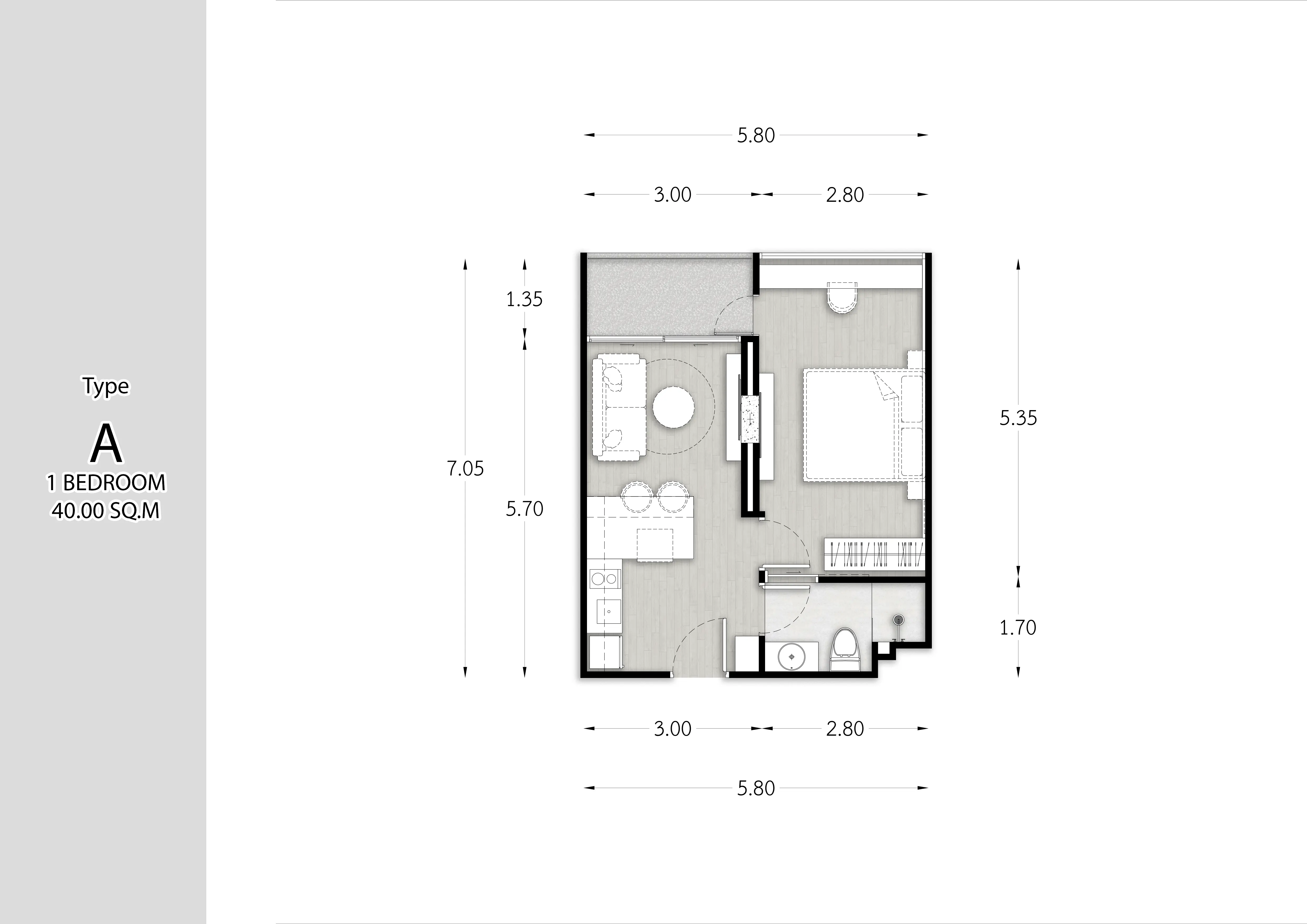
Ask for the unit reference, floor, orientation, current plan, stated area, specification and written availability. Request the latest project documents and proposed contract. Compare the actual unit documents with any published plan; illustrations show a design and do not establish the final view, dimensions or finish.
Write down which details are essential to you and ask where each appears in the documents. If a plan or specification is unavailable, treat it as an unanswered question rather than assuming it matches another residence.
2. Put the full price and costs in writing
Request a dated quotation for the identified unit. Ask what the price includes, the payment schedule, deposit conditions and any charges payable before or at transfer. Have each party’s responsibility for transfer fees, applicable taxes, legal and bank costs stated separately.
For ownership, request the current common-area fee and its basis, any sinking fund contribution, insurance, utilities and maintenance responsibilities. Confirm whether figures are estimates or binding terms, when they may change and what remains unquoted.
3. Check eligibility and the current foreign quota
If you are buying as a foreign national, ask for the current foreign ownership position and the documentation needed for the proposed transfer of this unit. Do not assume that a quota position on a particular date guarantees later availability.
Thai government guidance describes evidence concerning the foreign ownership proportion and, where applicable, funds. Ask an independent Thai property lawyer and the relevant land office what applies to your circumstances, and consult your bank before sending money from abroad.
4. Review delivery and transfer with your lawyer
Ask your independent lawyer to review the seller and title, project approvals, the contract, payment milestones and cancellation or refund provisions. Ask how completion, any delay, inspection, defects, handover and transfer are addressed in the proposed agreement.
Confirm what documents and payments will be needed at the land office, who coordinates them and what evidence your bank should provide. Timelines and requirements may change; obtain current written advice before paying a reservation or deposit.
5. Test a part-year or retirement routine
Walk the routes you expect to use and check access to transport, groceries, healthcare and activities at the times you would travel. Consider steps, lifts, storage, guest needs and how the home would work if your mobility or routine changes.
If you expect to spend months away, ask how access, deliveries, maintenance, utilities and insurance would be handled during an absence. Confirm current condominium rules and who you would authorise to enter; do not assume an on-site service is included.
6. If renting is part of the plan, challenge every assumption
Ask management and a Thai lawyer to check the current condominium rules and legal requirements for the rental term and activity you have in mind. Clarify who would handle tenant selection, reporting, keys, cleaning, repairs and insurance, and obtain any proposed management contract.
Build your own estimate using documented local evidence and include vacant periods, fees, utilities, repairs and applicable tax. Ask an independent tax adviser how your circumstances affect the result. Rent, occupancy and returns are not guaranteed.
7. Keep an open-questions list
Record each answer, its source, the date received and whether it is a quote, estimate or signed term. Highlight unresolved items that could change your decision and ask the responsible party to confirm them in writing.
Bayhaven can help you request project information and discuss a viewing. Independent legal and tax advice and confirmation of current terms remain important before you commit.